

The Walnut Tree
On power lines, prison offices, and learning to be the tree instead of the boy who takes

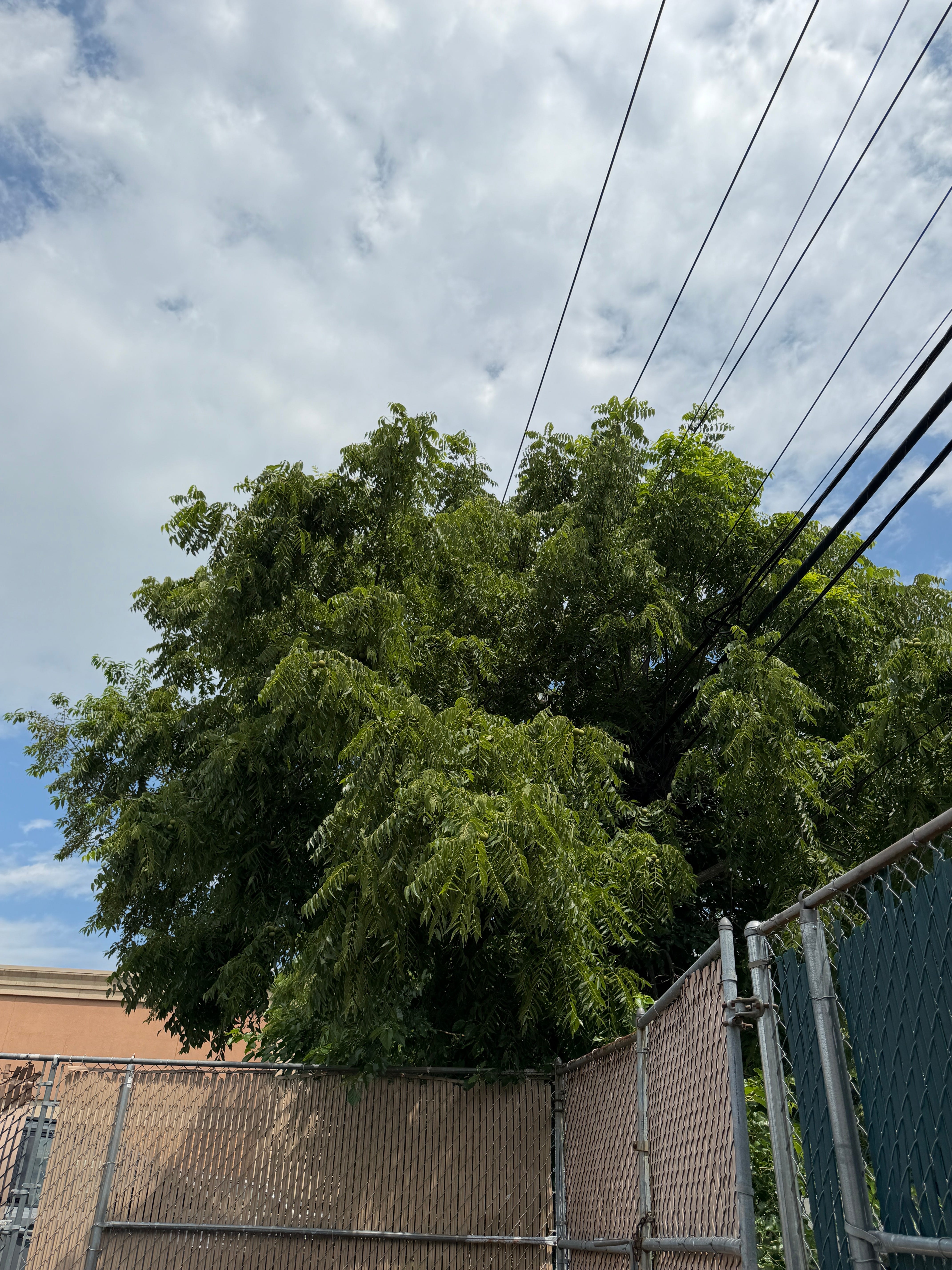
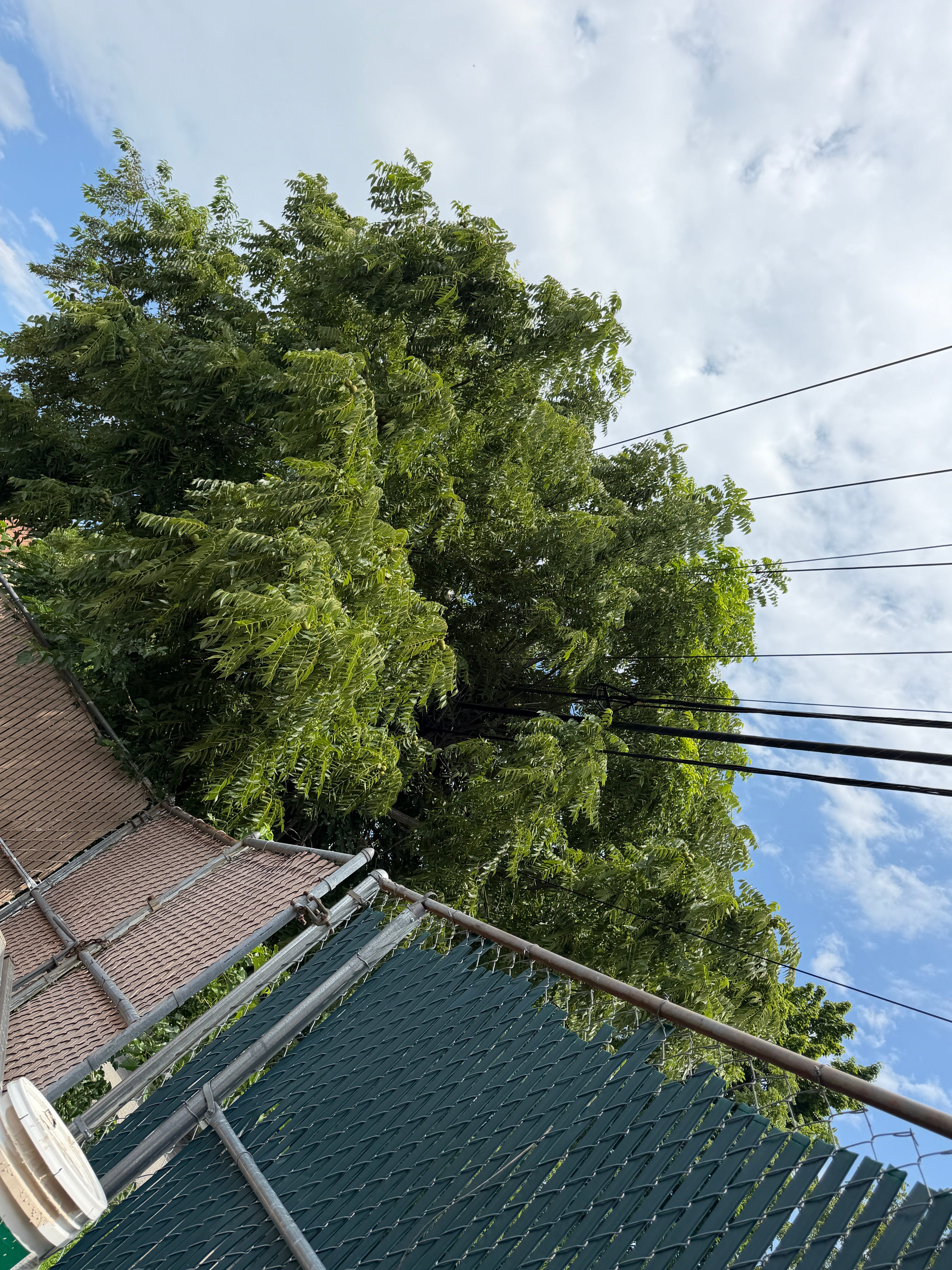
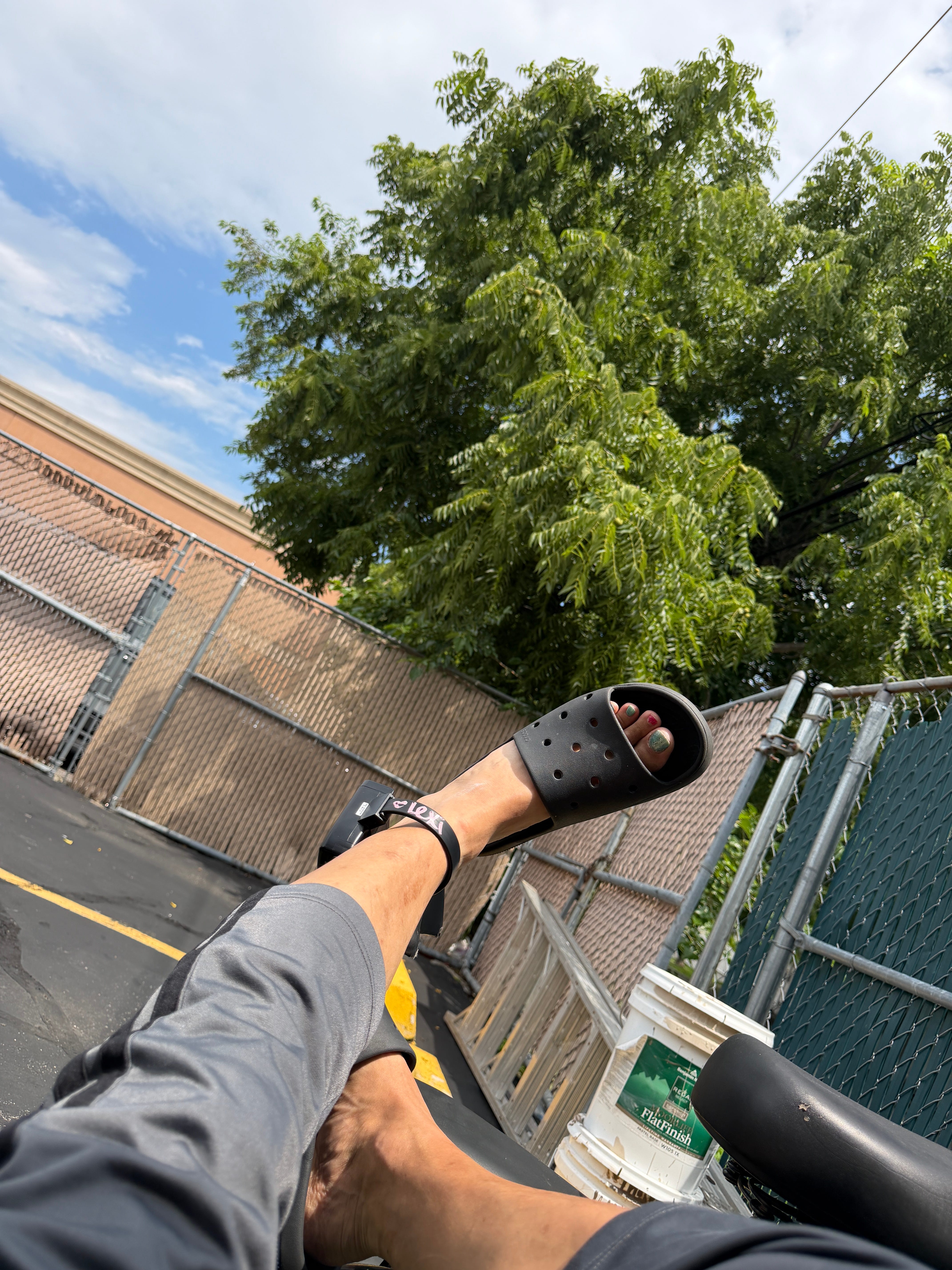
Some mornings I get to sit in a plastic Adirondack chair on the lanai, and when I do, there's a black walnut tree about ten feet away. Lush, a little wild, growing over the fence line into a parking lot on the other side, just a corner where people empty a bottle before they get in the car. Power lines run right through the branches. It shouldn't be thriving there. It is anyway.
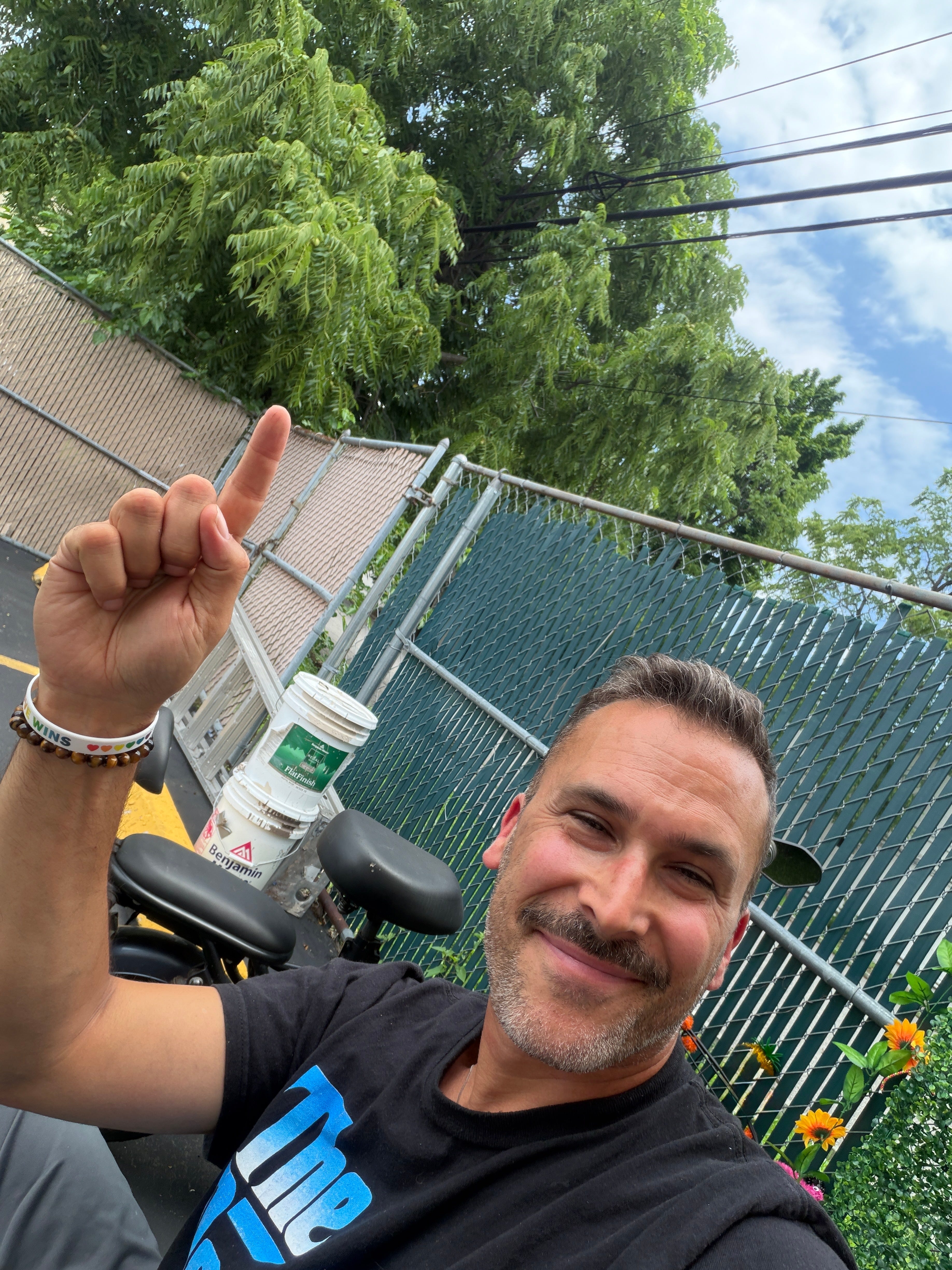
I didn't always know to pay attention to trees.
In Auburn Prison, touching a tree was a privilege, and there was a beautiful one there, until they cut it down right before I arrived. Attica Prison didn't have any trees to see. There was a guard who killed an immense lilac bush, stripped the bark, drove a copper nail through it, and watched it die, because he thought it was in his way, or it offended him, or something. I still don't know what was in his head. I just know he killed it on purpose.
Fishkill Prison was different. In the puppy yard I had access to trees, real access, and I learned about forest bathing and tree hugging from my friend Mary. I'd sit at the base of a tree with a towel, sometimes with a dog laying against me, sometimes alone, and just read or draw or feel the energy. Each tree had its own.
There were three I loved in that yard. The first was my thinking tree, a mulberry growing through a pine, with exposed roots I had to hop over. I'd walk that long circle around it, dogs following, and ideas would come. Ideas for comics, but also about the parole board, about dogs in my life, about pieces of writing. For three weeks a year it produced these amazing mulberries. Sweet. The dogs loved eating them off the ground. I let them. Some guys didn't. They'd go at it like Hungry Hungry Hippos, just inhaling those berries. I ate them off the branch. The canopy felt medieval, like a little castle. It was a small magical world under there. That tree felt wise because it was two things at once, growing together. Lieutenant Cabron, who ran the building, kept trying to have that tree cut down. Thankfully cooler heads prevailed. At the other end of the yard was the climbing tree. I scraped my legs coming down from it something fierce. That was also the tree that supported a celebratory hammock I made of bed sheets and dog leashes after I learned I’d been granted parole. And in the middle was the silver maple, I think it was, quiet and still. The base was rocky but I'd get comfortable anyway. That was the tree I found myself at most. I felt grounded there.
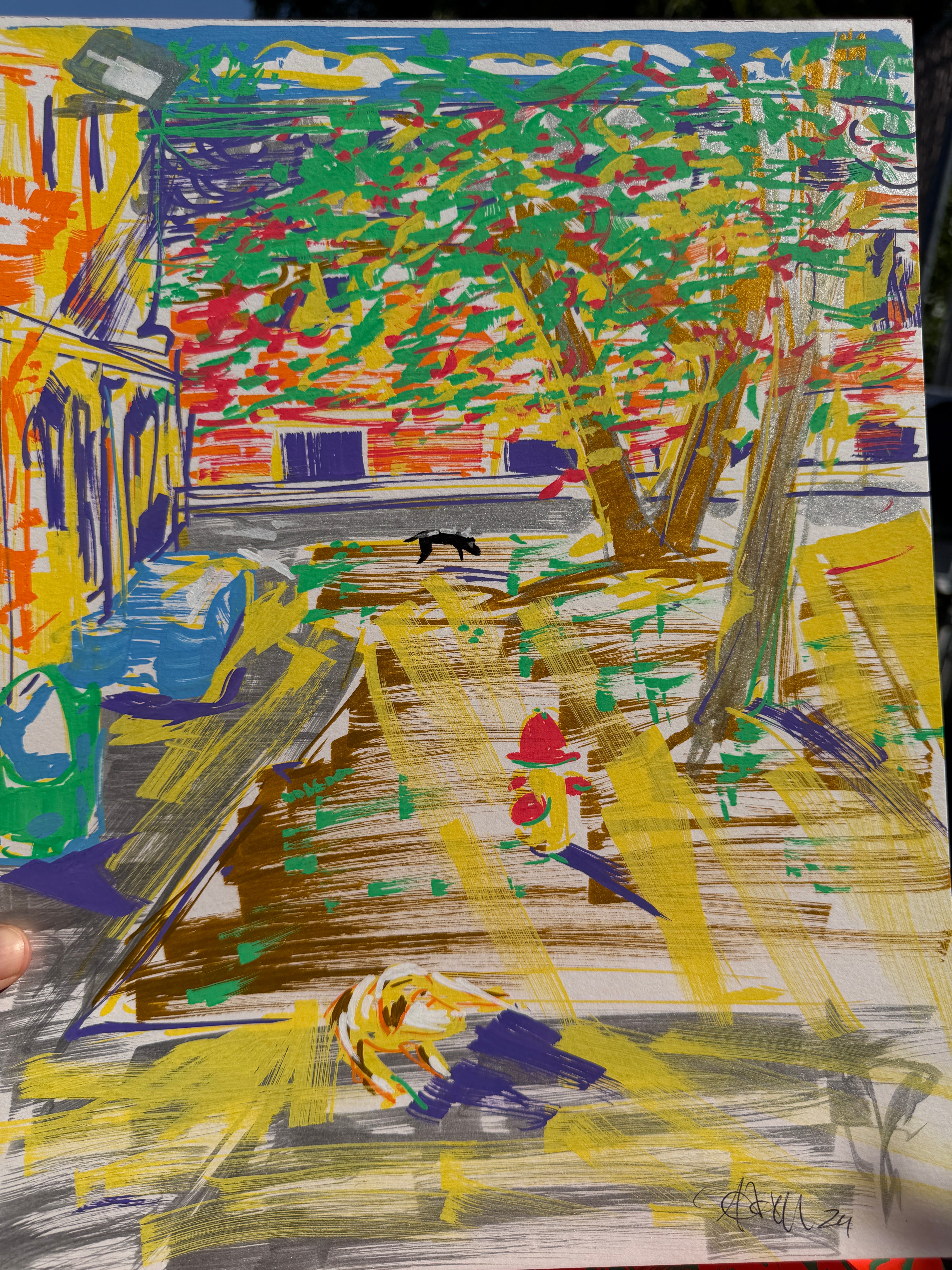
Each tree held something different. I could feel it.
I read Shel Silverstein's The Giving Tree as a child and it made me sad. I couldn't say why then. In prison, I read it again and I knew. I saw myself in that boy, taking and taking, not adding value, just consuming. The sadness was recognition. For years I felt like the boy in that book.
But there was a specific moment. It was the early aughts. I was at Attica Prison, about a year in, working as an inmate clerk in the maintenance department. I worked there for years, but I knew at any moment it could be taken. Guys were getting in trouble and losing everything. The previous clerk had been caught with a huge sword hidden in that very office. It be like that sometimes. The office itself: faux wood paneling from the seventies, neon lighting, shitty linoleum tile, hand-me-down furniture. But I was grateful for it. It allowed me to work on computer stuff, digital stuff. I kept my overflow books there because we were limited to twenty in our cells. The writing came later, in a different office with a better boss.
I sat alone in that office with The Giving Tree. The book jacket was shiny green with a bright red apple. Everything around me was grey and institutional and worn. But that book was bright, clean, new, all mine. I read it there and the sadness took on new meaning. I wasn't just reading about a boy anymore. I was looking at myself. Twenty-five, twenty-six years old, in a prison maintenance office under neon lights, understanding for the first time that I'd been taking. That I had to change everything. That the tree in that book was showing me what I wasn't yet.
But I'm reading it different now. Nine months out and I'm becoming the tree. Not the boy anymore. Rooted. Giving through my work, my writing, my art, the people I'm building things with. There's a power line running through the walnut tree in my yard. There's a monitor around my ankle. There's a stent in my heart. Things that shouldn't be there, running through me, but I'm still growing. Still lush. Still rooted and giving.
This walnut has a special energy. I see myself in it completely now. Shaggy, a bit out there, growing wild in a place not built for what I'm becoming. Stripped down in places but still offering. The tree's been doing it longer. I watch it from my chair and think: yeah. That's how.
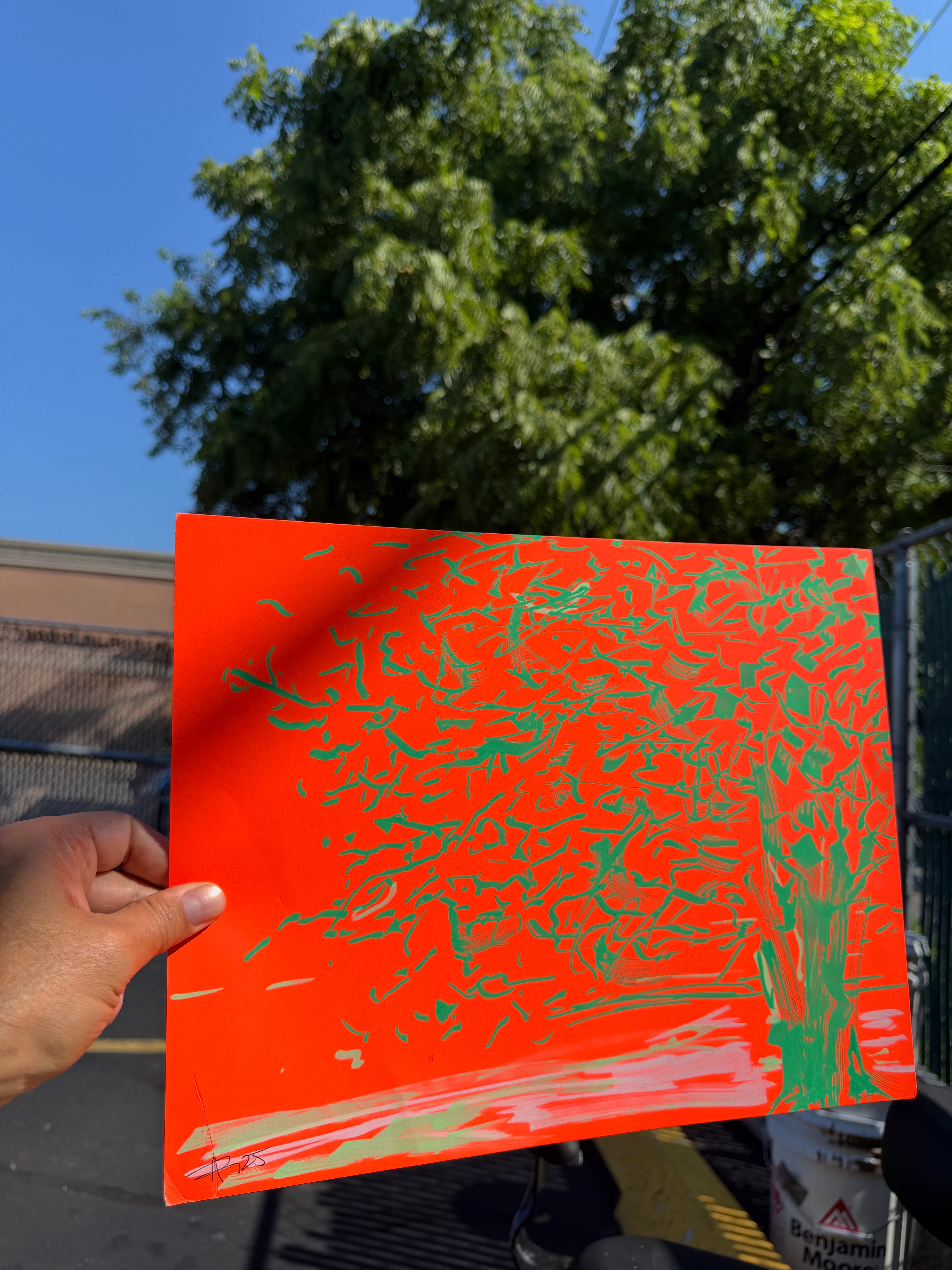
The way you’ve woven these trees together, the ones you could barely touch inside and the walnut you sit beside now, feels like its own kind of rooting.
Reading this, we couldn’t help but imagine that mulberry growing through a pine, the silver maple holding quiet in the middle of the yard, the climbing tree with scraped shins and a hammock made of bed sheets and dog leashes. Each one was thriving where it “shouldn’t”, offering shade and sweetness in places built for punishment, not belonging. Life found a way there, and so did you. It makes such deep sense that, nine months out, you’d see yourself in the walnut — shaggy, wild, rooted in a spot not designed for what you’re becoming, yet still giving anyway.
Your art and your writing feel like exactly that kind of shade for men still in the heat of their sentence. Your work is a canopy they can stand under for a minute and remember they’re more than the number they answer to. You’re becoming fertile ground for others while still carrying power lines, monitors, stents, and history through your own branches, and the duty you feel to keep growing and giving is something we’re profoundly grateful for. The way you’re learning to be the tree instead of the boy who takes is going to matter for a lot of people who haven’t yet found their own lanai or walnut to watch. 🧡
I love this style of writing! The philosophy behind the story, the way you unfold and perceive things, and how you discover your inner self. It’s the idea that a tree isn't just a tree, but holds the magic and energy of years, even centuries, that we can sense, prompting us to pause and truly feel it. It’s a form of therapy. It's fantastic to read something like this! I certainly love it.